Reviews
Part of Running a small clothing repair studio involves more than sewing
How to equip a repair workroom for hours, not minutes
The tool choices that matter when repair becomes daily work: scissors that spare the wrist, magnification and light for fine work, and the chair bought first.
A kit that works for one repair a month is the wrong kit for four hours a day. The difference is not quality; it is which failures accumulate. Nothing here is a brand recommendation, because nothing was tested. It is a list of what changes when the hours go up.
What to take away
- Scissor choice stops being about sharpness and starts being about wrist posture.
- Fine work needs magnification and light before it needs better hands.
- Buy the chair first. It is the item that decides whether you can do this daily.
- Rotate between task types during a day rather than doing one thing for four hours.
Scissors, at volume
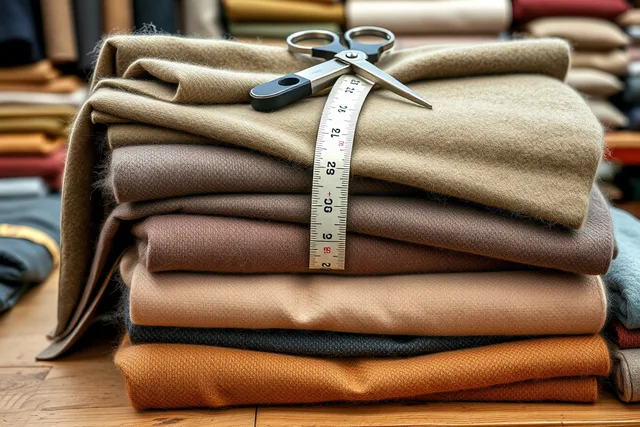
Cutting occasionally and cutting all day are different activities. OSHA's sewing eTool section on scissor work lists the risk factors at manual scissor stations. They include repeated awkward wrist postures, repeated grip force, contact stress to hands and fingers, and bending over a table with arms fully extended to cut the full length of fabric.
Its solutions include tools designed to promote neutral joint postures, electric or partially automated tools, well maintained and oiled tools so less force is needed, and rotating through tasks that do not involve cutting.
The practical translation for a small workroom is a bent-handle shear that lets the fabric stay flat, a cutting surface at the right height, and a habit of not doing all the cutting for the week in one sitting.
Fine work needs light and magnification
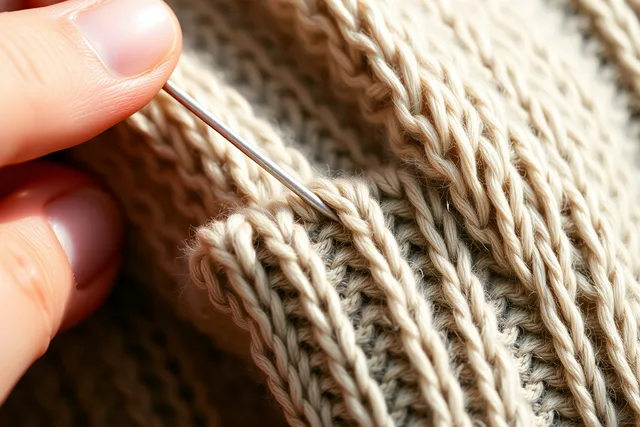
Hand repair is close, exacting work. OSHA's eTool section on fine work describes the trouble: acute visual needs plus intense wrist, hand and finger movements.
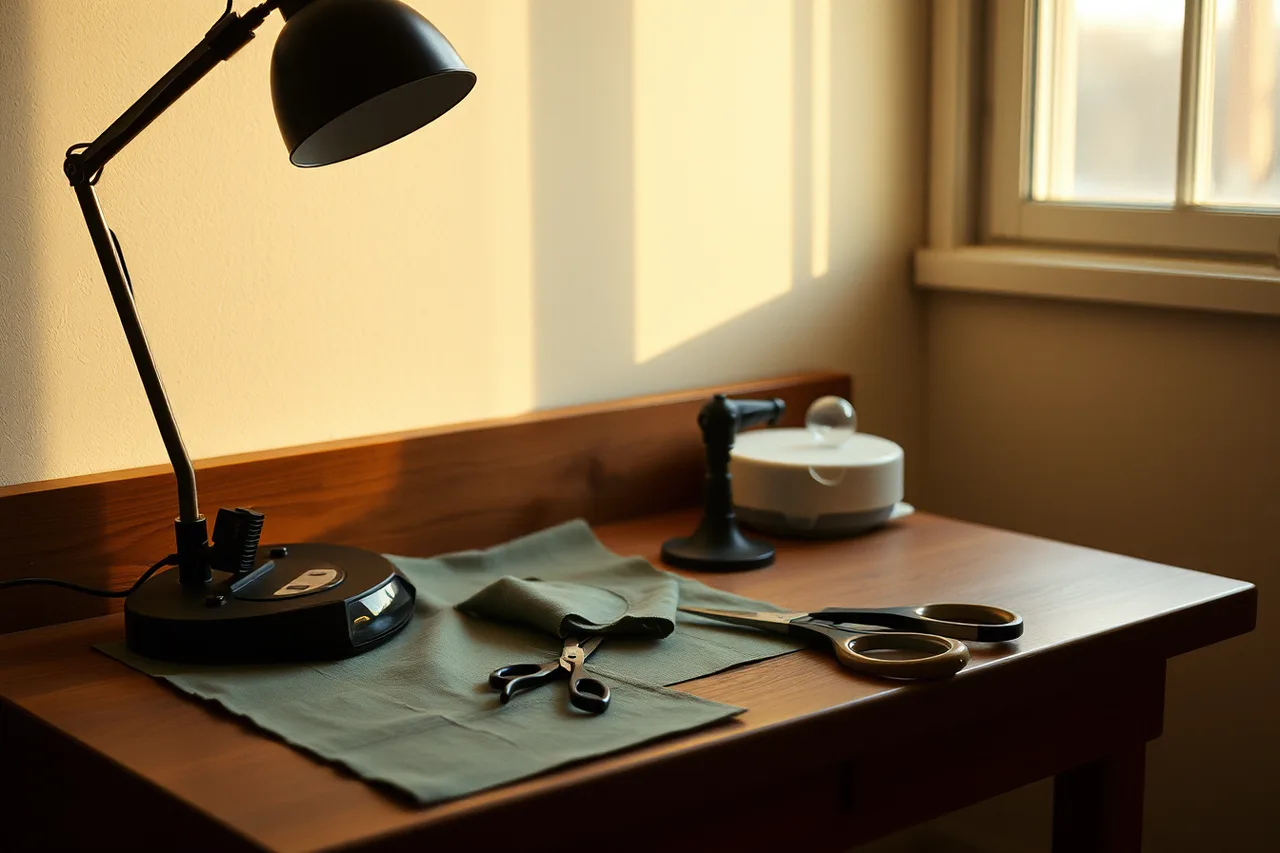
A pinch grip holds small scissors between index finger and thumb. That can cause hand or wrist injuries and contact stress on the fingers. Fabric handling repeats. A task lamp and a lens are the two items most first clothing repair kits leave out.
So the purchases that matter are a good task lamp, magnification of some kind, and small tools with handles thick enough not to be pinched. Job rotation appears again in its recommendations, and it is free.
The order to buy in
| Priority | Item | Why |
|---|---|---|
| 1 | Adjustable chair | Decides whether daily work is possible |
| 2 | Task lighting | Directly limits accuracy and fatigue |
| 3 | Bent-handle shears | Wrist posture during cutting |
| 4 | Magnification | Fine work, and it delays eyestrain |
| 5 | Pressing setup | Finish quality on every job |
Machines sit below all five. A workroom with a great machine and a bad chair produces good work for about three months.
What wears out
Needles, scissors edges, iron soleplates and your own attention. Budget for sharpening and replacement rather than treating each as a failure, and keep a spare of anything whose absence stops work. A blunt needle left in a machine costs more in skipped stitches and ruined seams than the packet of replacements you did not open.
The wider picture of the work is in what a small studio involves, and the cost-per-use reasoning from the tools compared on that basis applies with much larger use counts.
Common questions
Is an expensive pair of shears worth it in a workroom? Yes, mainly because a well-made pair can be sharpened repeatedly and holds its adjustment. Cheap shears loosen at the pivot.
What magnification should I use? Whatever lets you work at a comfortable distance without leaning in. A lamp with an integrated lens suits most people better than head-worn magnifiers.
Do I need an industrial machine? Only if you take on heavy or high-volume work. Many small studios do hand repair and alterations on a good domestic machine for years.
How do I avoid repetitive strain? Rotate task types through the day, keep tools sharp so less force is needed, and set the station so your forearms are level. Those three do most of the work.