Reviews
Part of Planning a clothing repair before the scissors come out: four checks
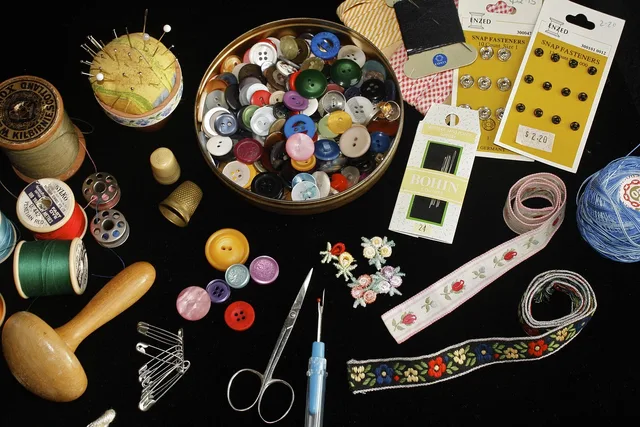
First clothing repair kit contents: what belongs, and what does not
What a first clothing repair kit actually needs, which stain-removal chemicals are worth keeping, and the purchases that sit unused in most beginner kits.
A repair kit gets built twice. The first version comes from a list and mostly sits in a drawer. The second version is what you reach for, and it is smaller. This is an attempt to skip the first version. No brands are ranked, because we have not tested any.
What to take away
- Buy needles, thread and small sharp scissors first. Everything else can wait until a job demands it.
- Cleaning tools matter more than most beginners expect, because mending over soil wears thread out fast.
- Keep two or three stain chemicals, not a cabinet. Most of the shelf is variations on the same few actives.
- Store the kit near where you will actually sit, or you will not use it.
The short list
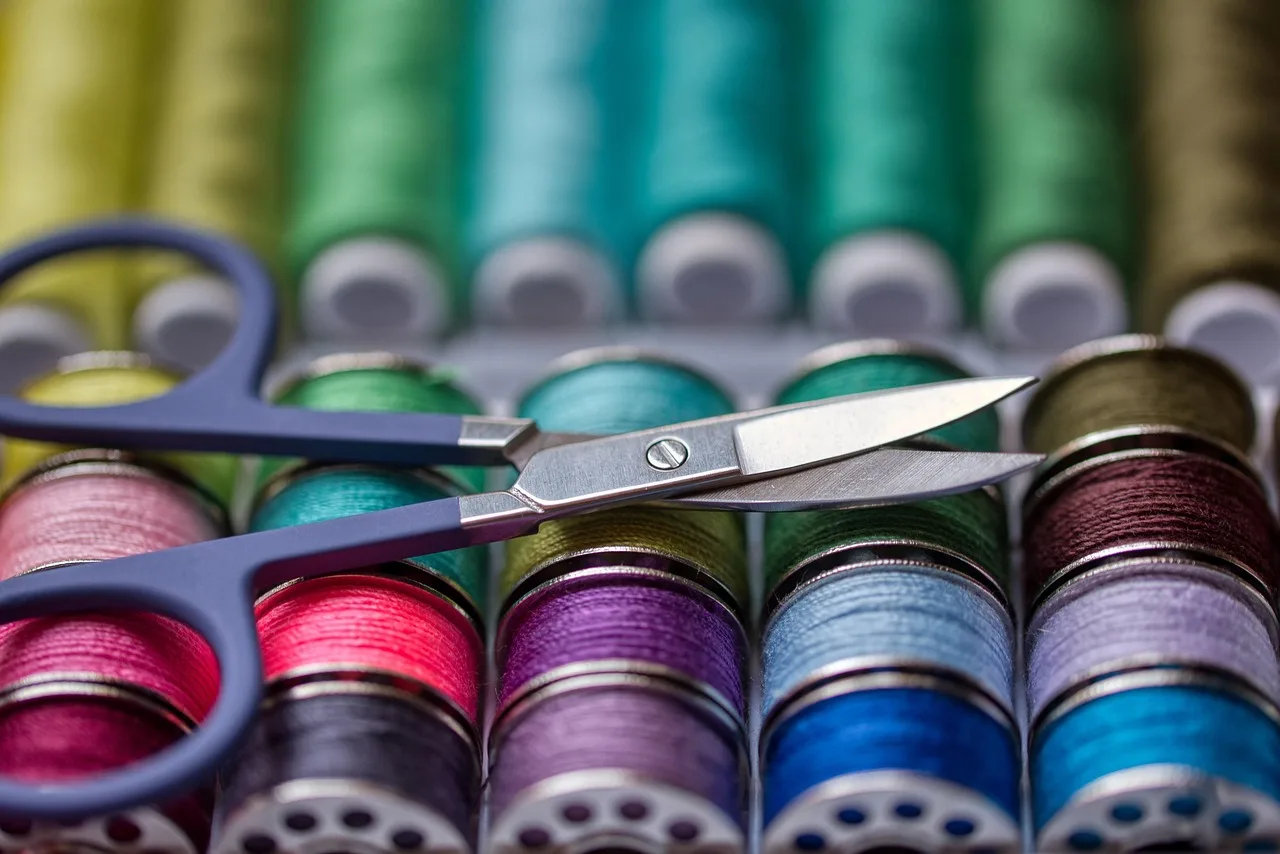
- Hand needles in two point types, sharp and ballpoint, medium size
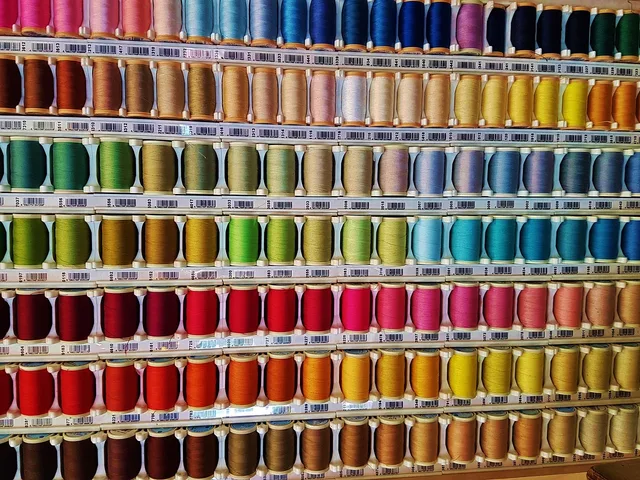
- Thread in cotton, polyester and wool, in neutral shades
- Small sharp scissors kept only for fabric
- A seam ripper
- Pins, steel and sharp
- A pressing cloth
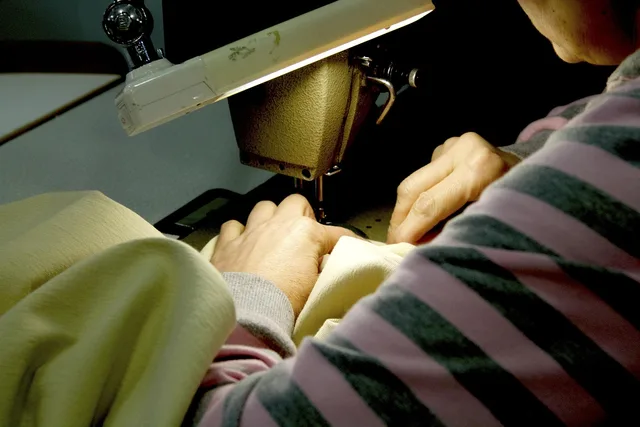
- Good task light at the working position
That kit covers seams, buttons, patches and darns. Everything below is an addition for a specific job, not a starting purchase.
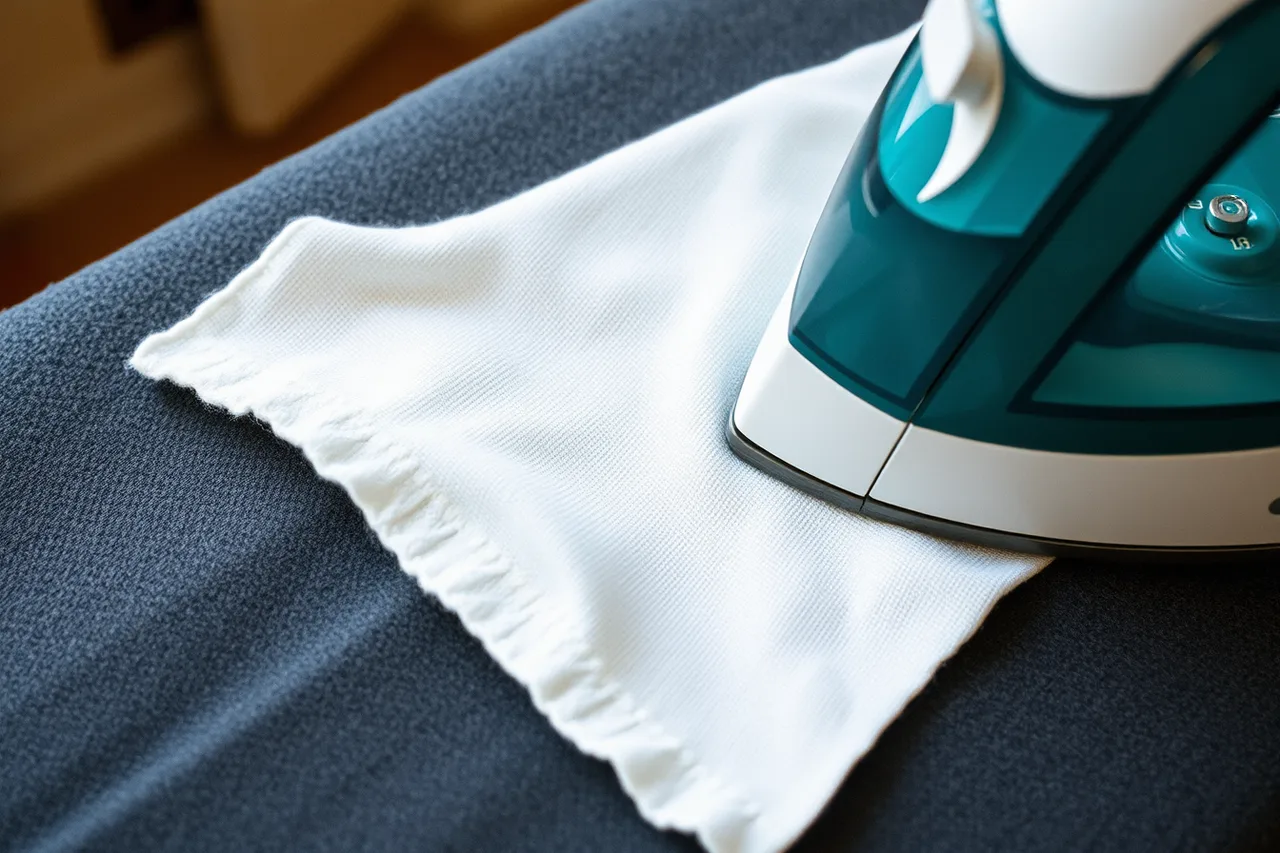
The item people underrate is the pressing cloth. Pressing a repair sets the stitches and flattens the seam. A scrap of plain cotton between the iron and the garment is what stops a shiny mark on wool or a melted patch on anything synthetic. It costs nothing and prevents a category of damage that cannot be undone.
Cleaning comes before stitching
Repairing a soiled garment stitches grit into the fabric, and grit cuts thread. A soft brush and a vacuum with decent filtration do more for repair longevity than another needle size.
Grit works like fine sandpaper. A National Park Service leaflet on cleaning objects after volcanic ash fall describes an extreme case.
Ash is fine and gritty, like tiny glass splinters, unweathered, so fragments stay sharp however small. Rubbed on a smooth surface, it scratches glass, furniture and metal, and harms paper and textiles.
Ordinary household grit is milder and works the same way. That is why the brush and the clean surface are not accessories in a repair kit. Reduce suction when vacuuming fabric, and work through a screen if the cloth is fragile.
Stain chemicals: keep few, label them
Stain work is chemistry and the wrong bottle destroys a garment faster than any needle. The extension reference on products used in textile care is organized alphabetically by product and gives the cautions that matter.
Acetone works on most synthetic and natural fibers but must never touch acetate, which it destroys. Non-oily nail polish remover can substitute for acetone, although its other ingredients can make a stain worse. Acetone is also flammable and evaporates into toxic fumes, so it needs ventilation.
A workable minimum is a mild detergent solution, white vinegar as a mild acid, and one absorbent such as cornstarch for grease. Add specifics when a stain demands them.
What to leave out at first
Skip the multi-compartment kit sold as a bundle. Skip specialty machine feet, fusible web, and thread in twenty colors. Skip a thimble until your finger complains, then buy one that fits properly.
Buy against the work in front of you. The planning routine will tell you which fabrics you are actually repairing, and the tool comparison by type explains what each category is for before you spend on it.