Reviews
Storing a repair archive: fabric, notes and photos kept legible
Garment repair case studies storage: keeping fabric samples, notes and images together, how to label so the mark survives, what cold storage does for photographs.

Section
Reviews
Garment repair case studies storage: keeping fabric samples, notes and images together, how to label so the mark survives, what cold storage does for photographs.
Reviews
Sort mending tool purchases into decade, year and consumable buckets, learn supply vocabulary, trace RN labels to makers, and follow a practical buying order.
Reviews
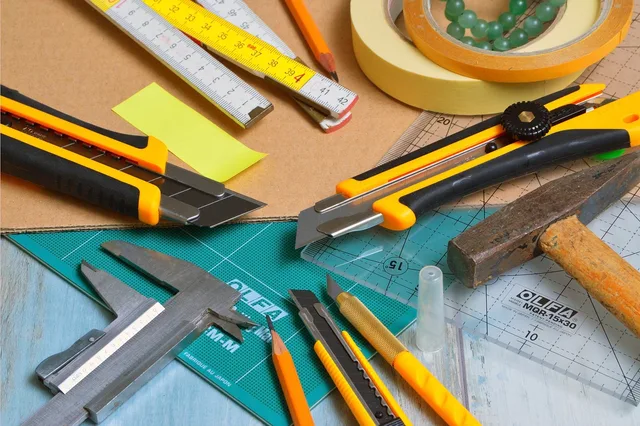
Surfaces wear tools as much as tools wear surfaces. Choosing a cutting base, a pressing surface, and a floor that does not off-gas into your fabric stock.
Reviews
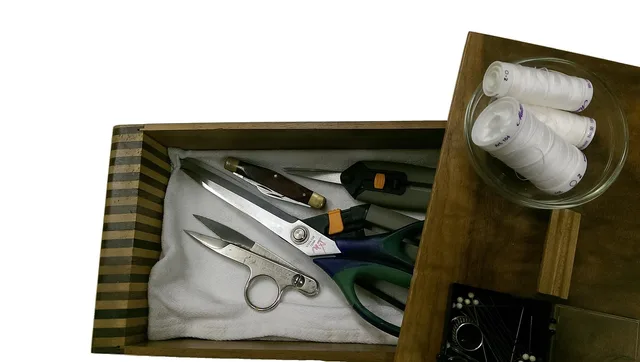
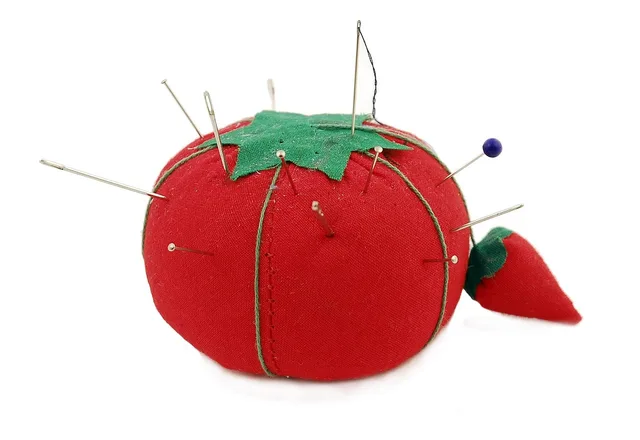
Not a mending tools and supplies reviews page: how needle burrs, dull shears, rusted pins and aged thread show up in your work and how to store tools.
Reviews
Clothing repair studios materials: stock fabric by fiber, weight and structure, keep invoices for unlabeled bulk fabric, and log how materials behave.
Reviews
The tool choices that matter when repair becomes daily work: scissors that spare the wrist, magnification and light for fine work, and the chair bought first.
Reviews
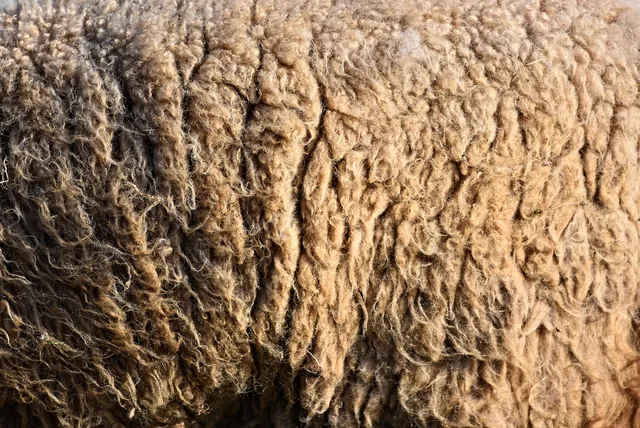
Deadstock wool in Vancouver and Toronto: named suppliers, opening hours, minimums and what each carries for mending, plus shipping and pickup.
Reviews
What to do with mending stock after mildew, damp or an infestation: what to discard, what can be saved, and how to stabilize humidity in a small enclosure.
Reviews
Adhesive patches and fusible web fail in predictable ways, and so do the threads and kits sold beside them, which is what a mender needs to know.
Reviews
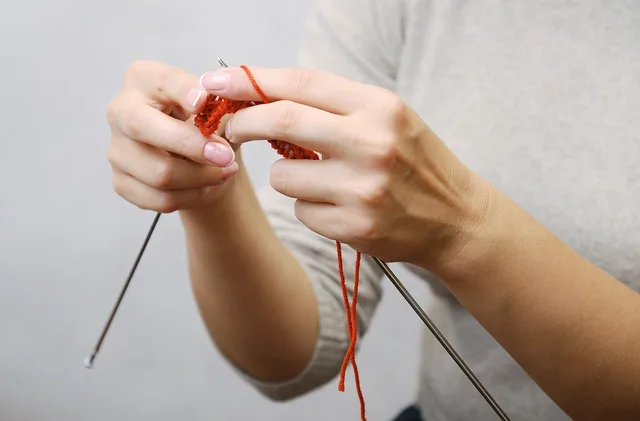
A short list for knitwear repair: blunt yarn needles, a rounded support, and yarn matched by fineness, with a note on what wool label numbers actually mean.
Reviews
Work surfaces for knitwear repair: why knits need a flat unstretched support rather than a hoop, what to put under a sweater while you work, and why the floor.
Reviews
What a first clothing repair kit actually needs, which stain-removal chemicals are worth keeping, and the purchases that sit unused in most beginner kits.
Reviews
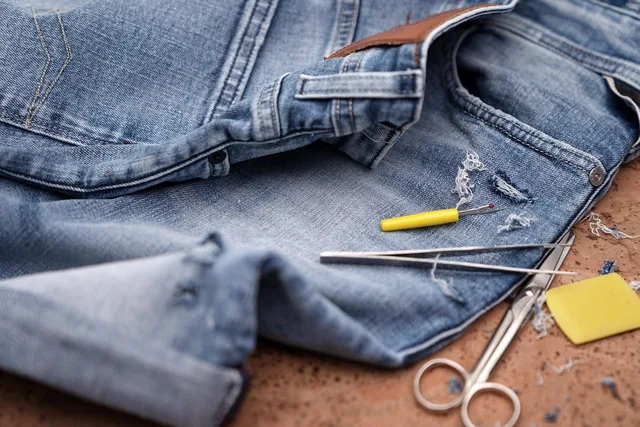
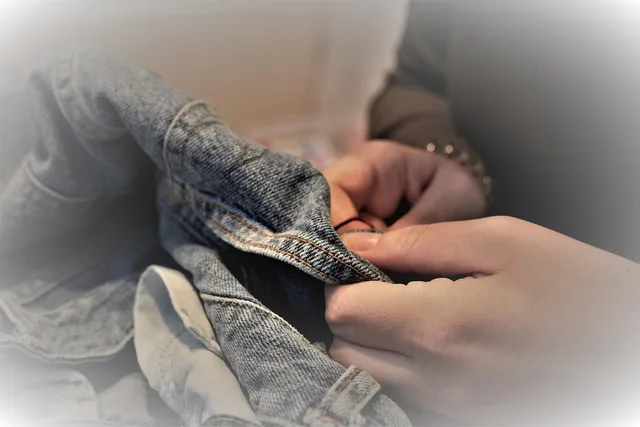
What to add to a general mending kit for denim repairs: heavier hand needles, topstitching thread, an awl or stiletto, and a thimble that fits, plus what to skip.
Reviews
Work surfaces and light for mending at home: choosing a surface height, a support board that keeps fabric flat, and light placement that shows stitch tension.
Reviews
A cost-per-use comparison of named repair tools, from sashiko needles to a darning mushroom, showing which pay for themselves and which sit idle.
Reviews
Denim repair methods compared by where jeans fail: a patch behind at the knee, a larger patch at the crotch, a re-hem at the hem, a new pocket bag.
Reviews
Matching patch fabric and thread to a garment: fiber, weight, shrinkage and what the label's cleaning instruction legally commits the repair to surviving.
Reviews
Picking patch fabric for jeans: weight, stretch, color behavior and where pocket bags fit, plus the label tolerance that explains why blends never match exactly.
Reviews
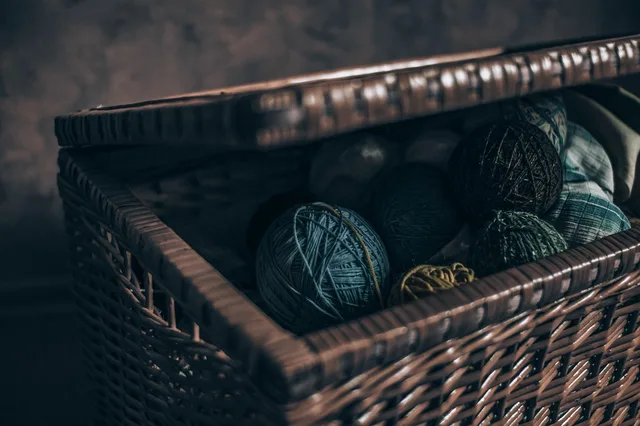
Storing repair supplies so they do not become a write-off: how mending stock is actually lost, rust from pins in damp storage, insects in wool scrap.
Reviews
Keeping mending materials usable: humidity limits that invite mold, why patch fabric should be washed before storage, and how to organize a small kit.
Reviews
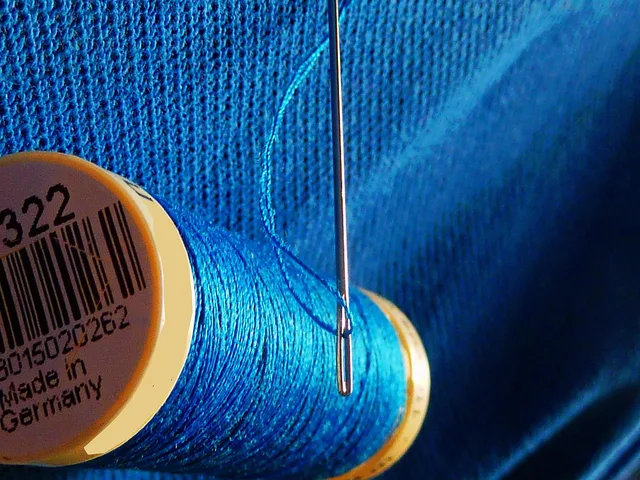
Needles, hoops, darning mushrooms and thread compared by what each type actually does well, plus a note on why no brands are ranked or tested here.
Reviews
The order to buy mending supplies in, tied to the skills you learn along the way, and how to read a fiber label so you buy thread that matches the garment.