Reviews
Part of Denim repair methods by location: crotch, knee, hem, pocket
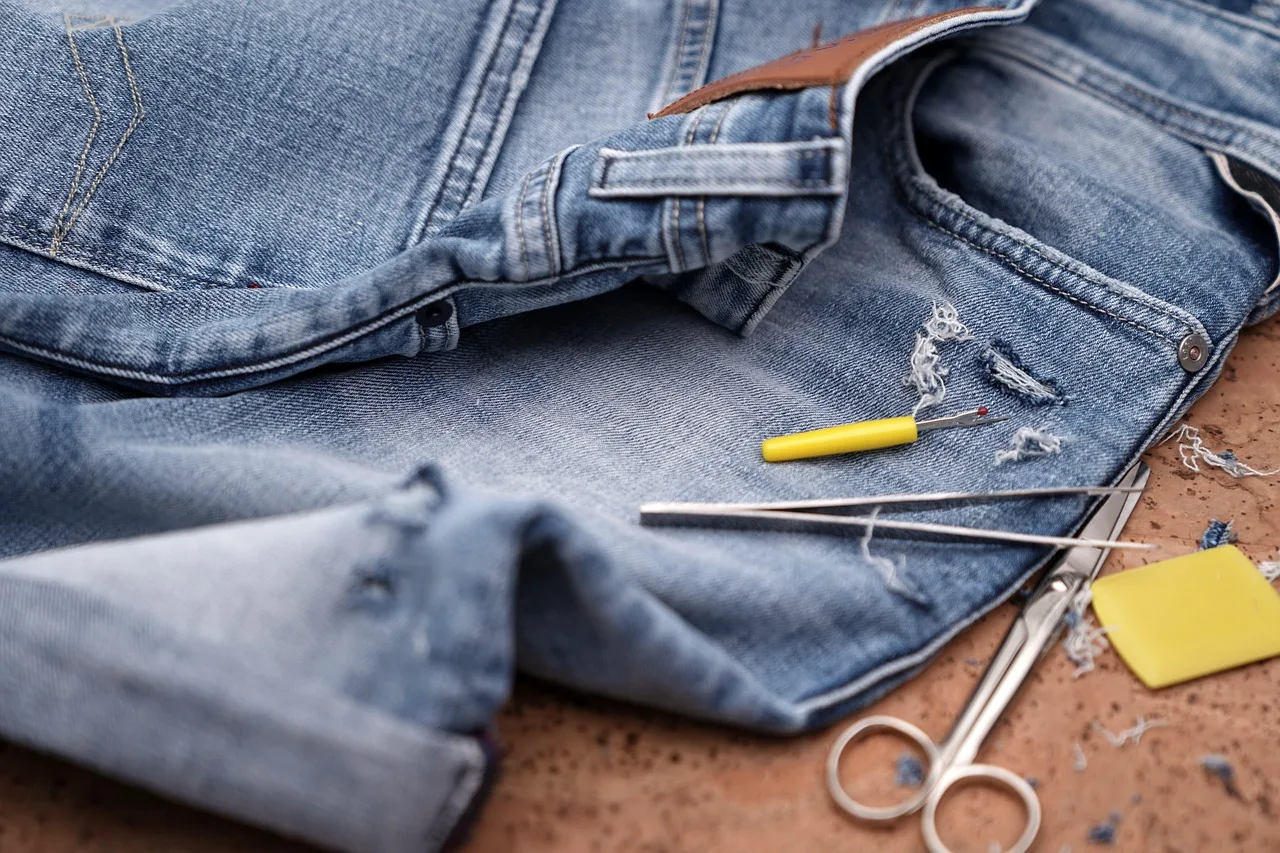
What to add to a general mending kit for denim repair: needles, thread, awl and thimble
What to add to a general mending kit for denim repairs: heavier hand needles, topstitching thread, an awl or stiletto, and a thimble that fits, plus what to skip.
A denim kit is a general mending kit plus four items. The additions exist because denim is thicker, denser and less forgiving than the fabrics a basic kit assumes. No brands are compared here; nothing was tested.
What to take away
- Needle point type matters more than needle size, and denim needs a sharp point.
- Thread should be heavier than shirt thread, and long staple thread breaks less.
- An awl is the item that stops broken needles at seam intersections.
- Skip the specialty machine feet until you have hit the limit of hand work.
The four additions
- Heavier hand needles with a large eye, so thicker thread passes
- Topstitching or upholstery weight thread
- An awl or stiletto for opening a path through thick seams
- A thimble that actually fits, because pushing through four layers hurts
Needle points, in the words of a sewing reference
Point type is what decides whether a needle pierces yarn or slides between yarns. The Utah State University extension guide to serger basics sets out the standard mapping for machine needles, and it applies equally to hand work.
Needle point vs fabric
Sharp
- Wovens (denim)
- yes
- Knits, interlocks
- no
- Spandex, fleece
- no
- Upholstery, leather
- no
- Woven to knit
- universal
- Size for serging
- 80
Ballpoint
- Wovens (denim)
- no
- Knits, interlocks
- yes
- Spandex, fleece
- no
- Upholstery, leather
- no
- Woven to knit
- universal
- Size for serging
- 80
Stretch
- Wovens (denim)
- no
- Knits, interlocks
- no
- Spandex, fleece
- yes
- Upholstery, leather
- no
- Woven to knit
- no
- Size for serging
- 80
Leather
- Wovens (denim)
- thick only
- Knits, interlocks
- no
- Spandex, fleece
- no
- Upholstery, leather
- yes
- Woven to knit
- no
- Size for serging
- 80
It recommends size 80 for most serger sewing, with 70 and 90 fine and 100 not. Change the needle when stitches skip or the needle is dull, bent, or burred.
Denim is a woven, so sharp is the default. Stretch denim with meaningful elastane content is the exception where a stretch needle earns its place.
When a leather needle helps
For the thickest work, a hand needle designed for hide is easier than a heavier sharp. The extension page on sewing with fur describes the relevant tool: leather needles are blunt with an extra-large eye, which makes hand stitching through thick material easier.
Blunt point and big eye is what you want for hand stitching through a folded hem or a patched seam allowance, where a fine sharp point simply bends.
Thread
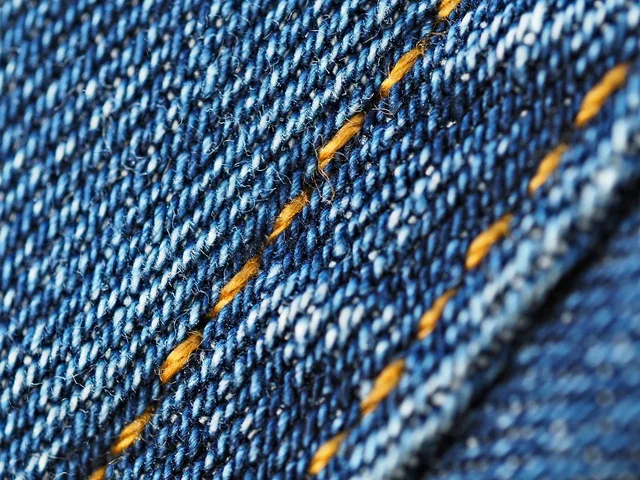
Regular all-purpose thread works for patch stitching on denim and looks thin doing it. Topstitching thread gives the visible stitch line most denim repairs want and fills a needle eye that a fine thread rattles around in. Long staple thread breaks less often under the friction of pulling through dense cloth.
Buy one heavy neutral and one deliberate contrast. That covers almost every jeans repair. Gold or mustard is the conventional denim topstitching color and reads as intentional on almost any indigo, which is why it appears on factory jeans in the first place.
What to skip
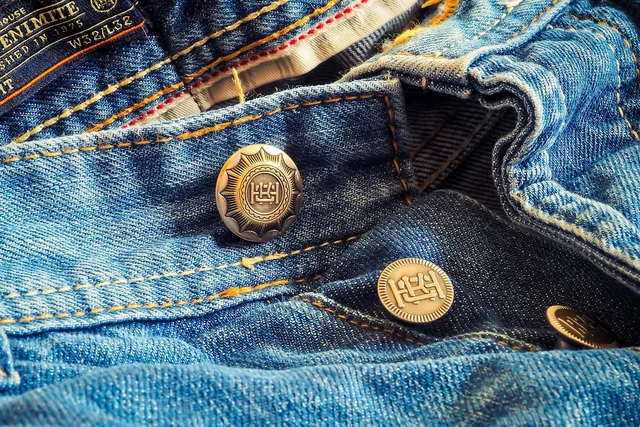
Rivets, replacement hardware kits, and denim-specific machine feet. Rivets are the part of a pair of jeans least likely to fail, hardware kits solve a problem you probably do not have, and specialty feet are only worth it once you are repairing several pairs a month.
The kit follows from the method, so read the method comparison before shopping, and the material choices will tell you which thread weights you actually need.