Reviews
Part of What drives clothing repair costs: four variables
Clothing repair tools compared by cost per use, not price tag
A cost-per-use comparison of named repair tools, from sashiko needles to a darning mushroom, showing which pay for themselves and which sit idle.
A five dollar seam ripper used on every repair costs less per fix than a thirty dollar gadget used once. Divide the price by the realistic number of uses, and the ranking of clothing repair tools changes. Prices here are typical US street prices as of 2026.
What to take away
- Divide price by realistic uses before you buy. A five dollar seam ripper used on every repair beats a thirty dollar gadget used once.
- Clover Black Gold needles and Gutermann Mara 100 thread are consumables with low cost per repair. Buy them well.
- A darning mushroom only pays off if you own wool knits. Count your garments before buying one.
- A wash is part of every repair's cost. ENERGY STAR certified washers use about 25 percent less energy and 33 percent less water than standard models.
- Anything unused after five repairs was a mistake. Sell it or give it away.
The tools, priced by use
The table compares nine named tools on typical price and typical cost per repair. Cost per repair is the price divided by the number of repairs that tool realistically covers.
Cost per use by tool
General tools
- Sashiko needles
- Very low
- Mara 100 thread
- Very low
- Dressmaker shears
- Low
- Seam ripper
- Low
- Darning mushroom
- —
- Multi-color thread set
- —
Specific tools
- Sashiko needles
- —
- Mara 100 thread
- —
- Dressmaker shears
- —
- Seam ripper
- —
- Darning mushroom
- Depends on wardrobe
- Multi-color thread set
- High, poor value
| Tool | What it is | Typical price | Typical uses | Cost per repair |
|---|---|---|---|---|
| Clover Black Gold sashiko needles | Long needles with a large eye for running stitches through denim and wool | About $6 to $9 for a pack of six | Dozens of needles, hundreds of stitches | About 5 to 8 cents, since one needle lasts roughly 20 repairs |
| Gutermann Mara 100 thread | All-purpose polyester thread on a 1,094 yard cone | About $12 to $20 | Every repair for years | Under 5 cents |
| Gingher 8 inch dressmaker shears | Forged steel scissors, resharpenable | About $45 to $65 | Hundreds of cuts | A few cents per cut, plus $10 to $20 per sharpening |
| Clover seam ripper | Small unpicker with a ball tip | About $5 to $8 | Nearly every repair | About 5 cents across 100 repairs before the blade dulls |
| Darning mushroom | Wooden dome that holds knit fabric taut | About $12 to $25 | Knit repairs only | About $1 per darn across 20 darns, over $6 each across three |
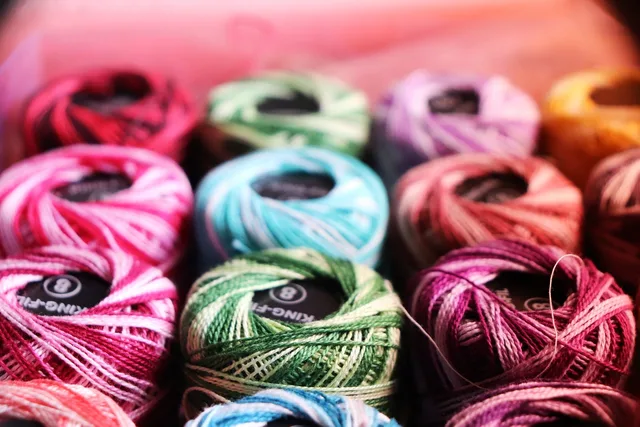
| Bohin multi-color thread set | Twenty small spools in assorted colors | About $20 to $30 | Two or three colors | About $2 to $3 per repair |
| Fiskars 8 inch scissors | Lightweight stainless shears sold in craft aisles | About $15 to $20 | Hundreds of cuts until the edge goes | Climbs after a year, since sharpening costs near the purchase price |
| Dritz seam ripper | Budget unpicker stocked in most fabric stores | About $3 to $5 | Nearly every repair until the tip dulls | A few cents |
| Clover thread clipper | Spring-loaded snips for thread tails | About $8 to $12 | Every repair session | A few cents, and the spring often fails before the blade |
General tools beat specific ones early, because you reach for them on every job. Specialty tools only make sense once a category of repair recurs often. If you own no wool knits, a darning mushroom sits unused whatever it cost.
The multi-color thread set is the clearest trap. The per-spool price looks low, but you use two or three colors and the rest sit in a drawer for a decade. Two neutrals used to the end of the spool cost less per repair than twenty spools bought at once.
Consumables that are not tools
Stain work has running costs people overlook. Extension guidance on grease and automotive stains gives a sequence: talcum powder as an absorbent, then a commercial pre-wash stain remover.
Stain removal sequence
- Apply talcum powder as absorbent
- Add commercial pre-wash stain remover
- Wash hottest safe with heavy-duty detergent
- If stain remains, treat again
A pre-wash stain remover typically costs $4 to $8 a bottle. A heavy-duty liquid detergent runs about $10 to $15 for a 90 load jug, which is 11 to 17 cents a wash before energy or water.
Launder in the hottest water safe for the fabric with the heavy-duty detergent. If the stain remains, treat it again.
That is three consumables and two wash cycles for one stain. Costing a repair without counting them makes home mending look cheaper than it is.
The machine nobody counts
Every repair ends in a wash, and a wash costs money. ENERGY STAR's laundry factsheet reports certified washers use about 25 percent less energy and 33 percent less water than standard machines.
Certified dryers use roughly 20 percent less energy. A certified washer saves around 370 dollars over its lifetime.
A warm load in a standard top loader typically costs 30 to 60 cents in energy and water across most US markets. Fewer, better washes are cheaper in every direction and gentler on repairs.
A repaired garment washed weekly out of habit rather than need costs more in utilities than the thread ever did.
What to buy last
Machines, specialty feet, fusible products, and anything sold as a set come last. Each has a low use count for hand repairs on your own clothes.
The order of purchase matters more than the individual choices. If you are weighing home repair against paying someone, the quote drivers are the other half of that calculation.
Common questions
How do I estimate uses before I own the thing?
Count the garments in your wardrobe the tool applies to. If the answer is fewer than five, wait until a repair demands it.
What is the cheapest setup that covers most repairs?
A Dritz seam ripper, a pack of Clover Black Gold needles, a cone of Gutermann Mara 100 and Fiskars shears total roughly $36 to $52. Step up to Gingher shears only if you cut fabric often.
Are cheap scissors ever fine?
As a second pair for paper and packaging, yes. For fabric, dull blades chew the edge and cost you in ruined cuts.
Is it worth sharpening scissors?
For a good pair like Gingher shears, yes, and it is cheap. For a cheap pair, sharpening often costs more than replacement.
Does a sewing machine pay for itself in repairs?
Rarely on repairs alone. It pays off when you start making and altering, a different activity with a different use count.