Guides
Part of What drives clothing repair costs: four variables
A weekend practice plan for hems, buttons and split seams
Learn hems, buttons and split seams in two days, with step by step hand sewing, pressing, a time and materials tally, and basic care label notes.
Three repairs cover most of what people pay a shop for: a fallen hem, a missing button, a split seam. None is difficult, all three are quick once learned, and each is charged as a minimum labor unit even when it takes four minutes. Two days of practice removes them from your household's outsourced list permanently.
What to take away
- Learn these three before anything decorative. They are the ones that recur.
- Time yourself. The point is to find out what the job actually takes.
- Keep a running material tally, so you leave with a number rather than an impression.
- Do each repair twice. The second one is where you get fast.
Saturday morning: hems
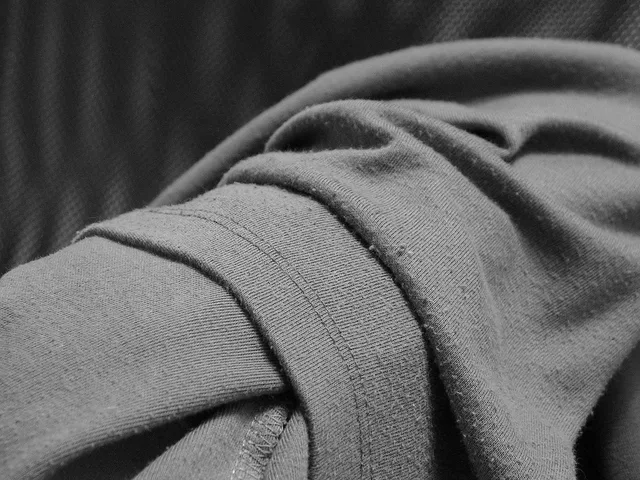
Take three garments with fallen or worn hems. Unpick what is left of the old hem, press the fold back to its original crease, and work a slip stitch that catches only one or two threads of the outer fabric.
The test of a hem is whether the stitches show from the front. If they do, you are catching too much fabric. Practice on the third garment until they do not.
Saturday afternoon: buttons
Do a whole shirt front, six or seven buttons, even if only one is missing. Consistency is the skill, and you cannot judge it from one button.
Build a thread shank on each: sew over a toothpick, remove it, wind the slack into a stem between button and cloth, then secure. A button sewn flat against the fabric strains the buttonhole and pulls out.
Sunday: seams, and the accident that follows
Split seams are the easiest of the three and the most satisfying. Turn the garment inside out, back-stitch by hand starting half an inch before the split and finishing half an inch past it, and press.
You will prick a finger doing this. Read extension guidance on blood stains before it happens, not after.
Treat immediately: heat-set stains are hard to remove. Rinse fresh stains in cold running water, rub with bar soap or liquid detergent, and repeat. Old stains need ammonia and another wash. Hot water then turns a small mark permanent.
Read the label, not the symbols
Before washing any of these repairs, read the words on the care label. Wording is not standardized in the way people assume. Under the rule on terminology, any appropriate terms may be used on a care label so long as they clearly and accurately describe the regular care procedure, and symbols may be used in addition to the required terms.
That means two garments can describe the same treatment differently, and a symbol alone is not always the whole instruction. Read the sentence.
Tally it up
At the end of the weekend, write down what you used and how many minutes each repair took. That number tells you whether a future job is worth doing yourself and makes the drivers behind a shop's quote legible.
Compare your tally with the cost per use of the tools. You will usually find thread is a rounding error and time is everything.