Reviews
Part of What drives clothing repair costs: four variables
Storing repair supplies so they do not become a write-off in 2027
Storing repair supplies so they do not become a write-off: how mending stock is actually lost, rust from pins in damp storage, insects in wool scrap.
Supplies are rarely thrown away. They are lost slowly, to damp, to insects, and to being invisible at the back of a cupboard. Each is cheap to prevent and expensive to reverse, which makes storage a cost article rather than a housekeeping one.
What to take away
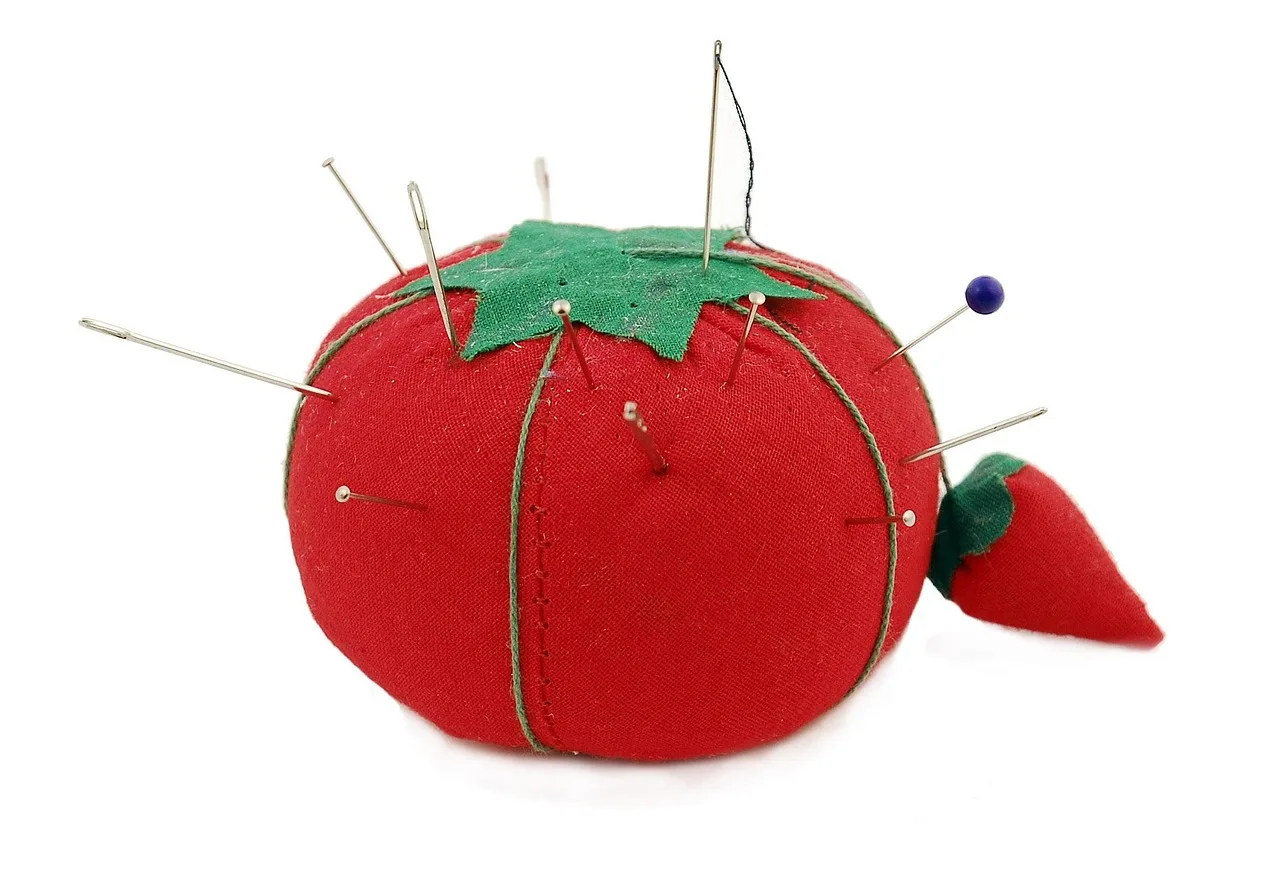
- Steel pins and needles rust in damp storage, and rust marks on fabric are among the hardest stains to remove.
- Wool scrap is the item most likely to be destroyed while stored. Keep it separate and sealed.
- Freezing kills insects but is an intervention, not a routine precaution.
- Stock you cannot see does not get used. Shallow and labeled beats deep and tidy.
Rust is the quiet loss
Pins left in a damp tin oxidise, and the mark they leave on cloth is difficult to shift. Extension guidance on iron and rust stains is blunt about the first rule: do not use chlorine bleach on rust, because chlorine bleach sets those stains.
The methods it gives instead: salt with lemon juice dried in the sun, or boiling suitable cottons and linens in 4 teaspoons of cream of tartar to a pint of water. A commercial rust remover used to the maker's directions also works.
That is a lot of work for a mark caused by a fifty cent pin. Keep pins and needles in a closed tin in a dry room, and throw out any that show discoloration rather than putting them back into fabric.
Insects and wool
Wool, silk, fur and feather are what fabric pests eat. A scrap bag of wool offcuts is a better food source than anything in your wardrobe because nothing disturbs it. Store wool separately, clean, in a sealed container, and check it when you check anything else.
If you find an infestation, freezing is one option, but it needs care. The National Park Service leaflet on the freezing process for insect pest control calls it neither simple nor fail-proof.
It can damage objects unless exact procedures are followed, the leaflet warns. Use it only when pest activity is evident or suspected, not routinely or preventively. The method is limited to dry objects made entirely of textile, leather, wood or paper.
For household scrap, that translates to: bag it, freeze it hard for several days when you have a problem, and do not treat the freezer as a substitute for clean, sealed storage.
Make the stock visible
- Shallow boxes rather than deep bins, so nothing lives permanently at the bottom
- One box per fiber, labeled on the end you actually see
- Cut salvage down on arrival, so a box holds usable pieces rather than whole garments
- A single quarantine bag for anything not yet washed
The invisible half of a fabric stash gets replaced by new purchases, which is the most avoidable cost in the whole activity.
Review it once a year
Open every box, discard what has degraded, and note what you never reached for. Anything untouched for two years is either the wrong material for your wardrobe or stored somewhere you forget, but both are fixable.
Once stock is honest, the cost per repair falls, and the tool purchases worth making become obvious because you can see what you use.