Industry
Part of What drives clothing repair costs: four variables
How to choose and brief a professional for a repair
How to find an alteration or repair shop, what to tell them about a garment, and what to check on collection, with no named businesses recommended.
No shops are named here. We have not used any of them, and a list built from search results is a list of who has a website. What is worth writing down is the brief you give a professional, because a bad brief produces a bad repair from a good shop.
What to take away
- Say the standard you want in plain wordsfunctional, neat, or invisible.
- Tell them the garment's history, including any stain treatment you already tried.
- Not every garment has a care label, and the shop will need the fiber from you if it does not.
- Inspect at collection, in daylight, before you leave.
Where to look
Alteration shops, dry cleaners with in-house sewing, tailors, cobblers for anything with leather, and independent menders working from home. Each has a different range. A dry cleaner's sewing counter is good for hems and buttons and rarely the right place for a structural repair on a knit.
Where to take which repair
Dry cleaner's counter
- Hems and buttons
- Good
- Structural knit repair
- Rarely right
- Leather items
- No
- Range of work
- Narrow
Tailor / alteration shop
- Hems and buttons
- Good
- Structural knit repair
- Good
- Leather items
- Sometimes
- Range of work
- Wide
Cobbler
- Hems and buttons
- No
- Structural knit repair
- No
- Leather items
- Good
- Range of work
- Leather only
Ask two questions when you call: Do they do this type of repair regularly? Can you see an example? A shop that mostly hems trousers will say so. That is useful information, not a rejection.
Ask about turnaround at the same time. A shop with a three week queue is often the one people keep going back to.
What to tell them
- The standard you want, and where the repair sits on the garment
- The fiber content, if you know it
- Whether the garment has been treated with anything already
- How the garment gets washed
- Whether you care more about strength or appearance
Stain history matters more than people expect. Extension guidance on perspiration stains lists treatments: soak in warm water with sodium perborate bleach, launder in the hottest water safe for the garment, apply ammonia to new stains or white vinegar to old ones.
What to tell the shop
- Standard wanted and where repair sits
- Fiber content, if you know it
- Any treatments already applied
- How the garment gets washed
- Strength or appearance priority
- Stain history, including products used
A garment that has been through that has had its dye and fiber tested by chemistry. The shop needs to know.
When there is no care label
Most garments carry one, but not all. The care labeling rule's exemptions cover totally reversible garments without pockets. They also let manufacturers request an exemption for other products where a label would harm the appearance or usefulness.
In those cases care information may appear on a hang tag or package instead, so it is long gone by the time the garment needs repair.
If your garment has no label, say so rather than letting the shop assume. A wrong assumption about fiber is the most expensive mistake available.
Checking the work
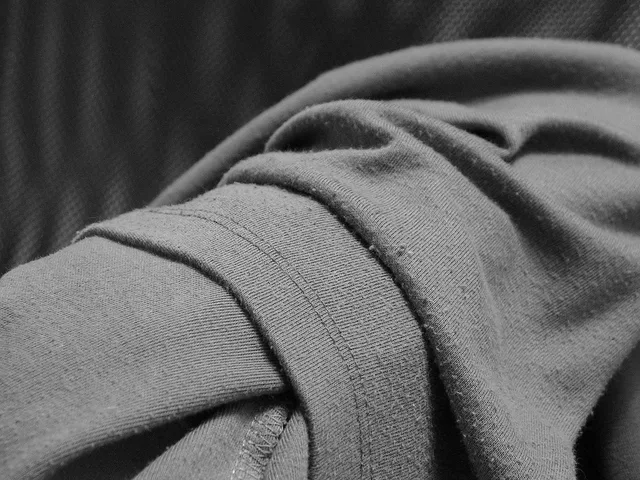
Collect in daylight if you can. Look at the back of the repair, check that it lies flat without pulling, and run a hand across it. Wash it once before you decide it is finished, because puckering and shrinkage show up then and are easier to raise while the job is recent.
Knowing what drives the price makes the conversation shorter, and documenting the garment first gives you a record if there is a disagreement later.