Industry
Part of Planning a clothing repair before the scissors come out: four checks
4 things to weigh up on clothing repair projects
The checks that separate a repair that lasts from one that fails: reading the label, identifying what caused the damage, and testing the fabric around it.
No interviews were conducted for this article, so there are no quotes and no named practitioners. What follows is drawn from published conservation and labeling guidance, and from the pattern that repeated failures make obvious: experienced menders spend their first five minutes diagnosing, and beginners spend them threading a needle.
What to take away
- Find the cause before repairing the effect. A hole made by an insect and a hole made by abrasion need different responses.
- Read the label for fiber content, not just care symbols. Fiber decides thread, patch and wash.
- Test the fabric around the damage. If it fails, the repair will fail at its edge.
- Check for a second, earlier failure. Damage rarely arrives alone.
Read the whole label
A garment label does more than give washing instructions. Federal rules require most textile products to disclose fiber content, country of origin, and who made or is responsible for the item.
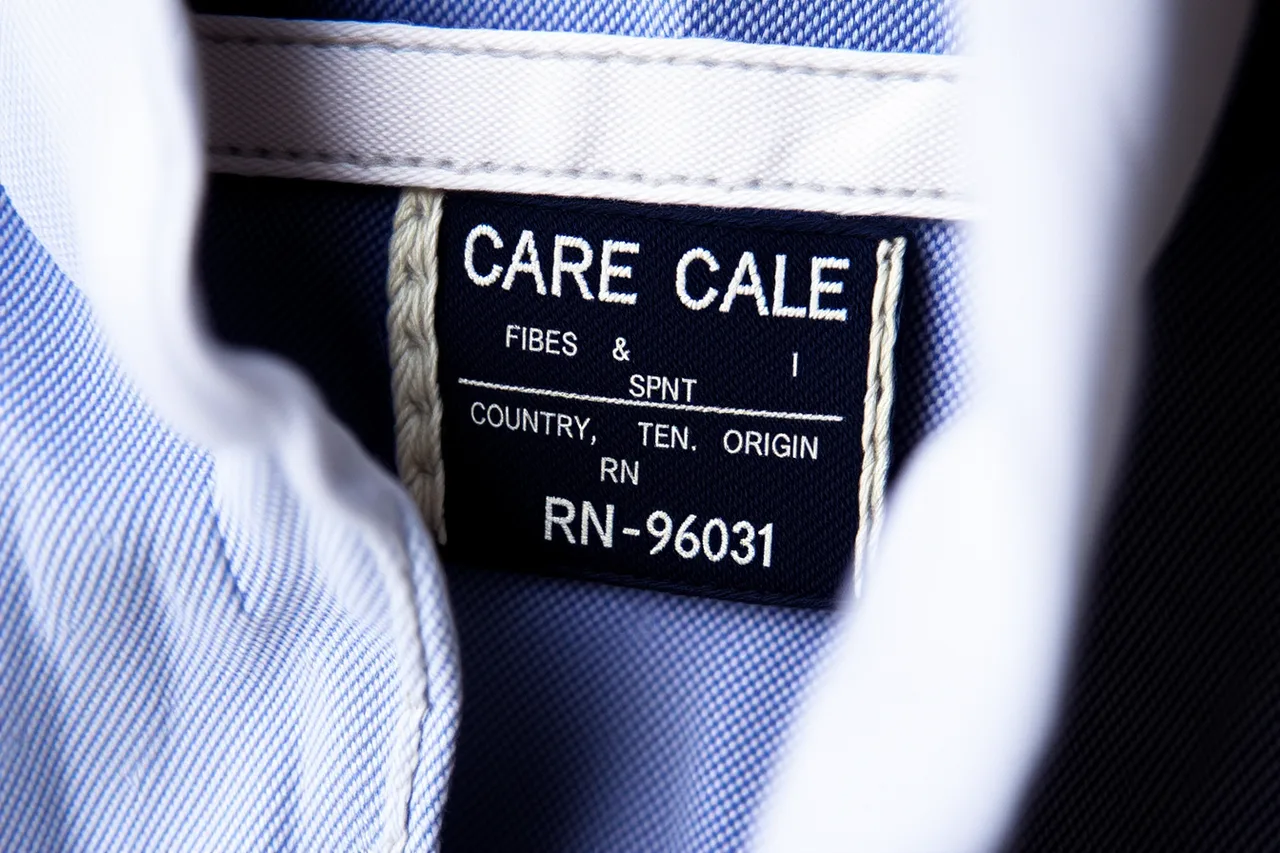
The FTC guide to the labeling requirements under the Textile and Wool Acts explains each element. It also covers the Registered Identification Number system, so a label showing only an RN can be traced to a company.
For a repair, fiber content is the line that matters. A garment listed as a blend will shrink, stretch and take dye differently from either pure fiber, and matching a patch to the dominant fiber is a compromise rather than a match.
Work out what made the hole
Abrasion holes have thinned, fuzzy edges and sit where the garment rubs. Tears have clean edges and follow a line of force. Insect damage looks different again.
The University of California statewide IPM program's note on clothes moths explains what to look for. The webbing clothes moth and the casemaking clothes moth hide when disturbed, so an infestation goes unnoticed until the fabric, fur or feathered items are already damaged. Close examination reveals the silken webs the larvae have spun.
They are weak flyers, not attracted to light, so they sit close to the infested items in a dark part of a closet. At rest a clothes moth is only about a quarter of an inch long, half the length of the food moths people confuse them with.
This matters because a moth hole means there are more holes coming. Repairing one and returning the garment to the same drawer wastes the work.
Test the surrounding fabric
Pinch the cloth an inch from the damage and pull gently in both directions. Sound fabric resists and returns. Fabric that is going gives with a soft tearing sound or shows a widening gap between yarns. Do this on all four sides, because wear is rarely symmetrical.
- Firm on all sidespatch normally
- Soft on one sideextend the patch further on that side
- Soft on all sidesthe panel is failing, and the garment is patch stock
Look for the earlier failure
A split seam near the armhole often means the seam allowance was already narrow. A hole at the elbow usually has a thin partner at the other elbow. Checking the matching area takes thirty seconds and tells you whether to cut one patch or two.
Once diagnosis is habit, the planning sequence is quick, and the structural reasoning behind stitch placement is easier to apply because you already know what you are stitching into.