Reviews
Part of Documented repair work versus invented case studies: where the real evidence lives
4 things the garment repair case studies teach
A repeatable home test for any mending product: what to measure, how to record it, and why label wording tells you who is answerable for the claim.
No products are reviewed here. Nothing was bought for comparison, so any ranking would be invention.
A half-hour test on your own fabric is worth more than a review, and no reviewer can run it for you. It works best when you know which institutions publish garment repair guidance worth trusting.
What to take away
- Test on your own fabric at your own wash temperature. Generic results do not transfer.
- Measure before and after rather than judging by eye. Shrinkage is small and cumulative.
- Test one product at a time, on identical samples, washed together.
- The label tells you which company is answerable for the claims, which matters when something fails.
The half-hour test
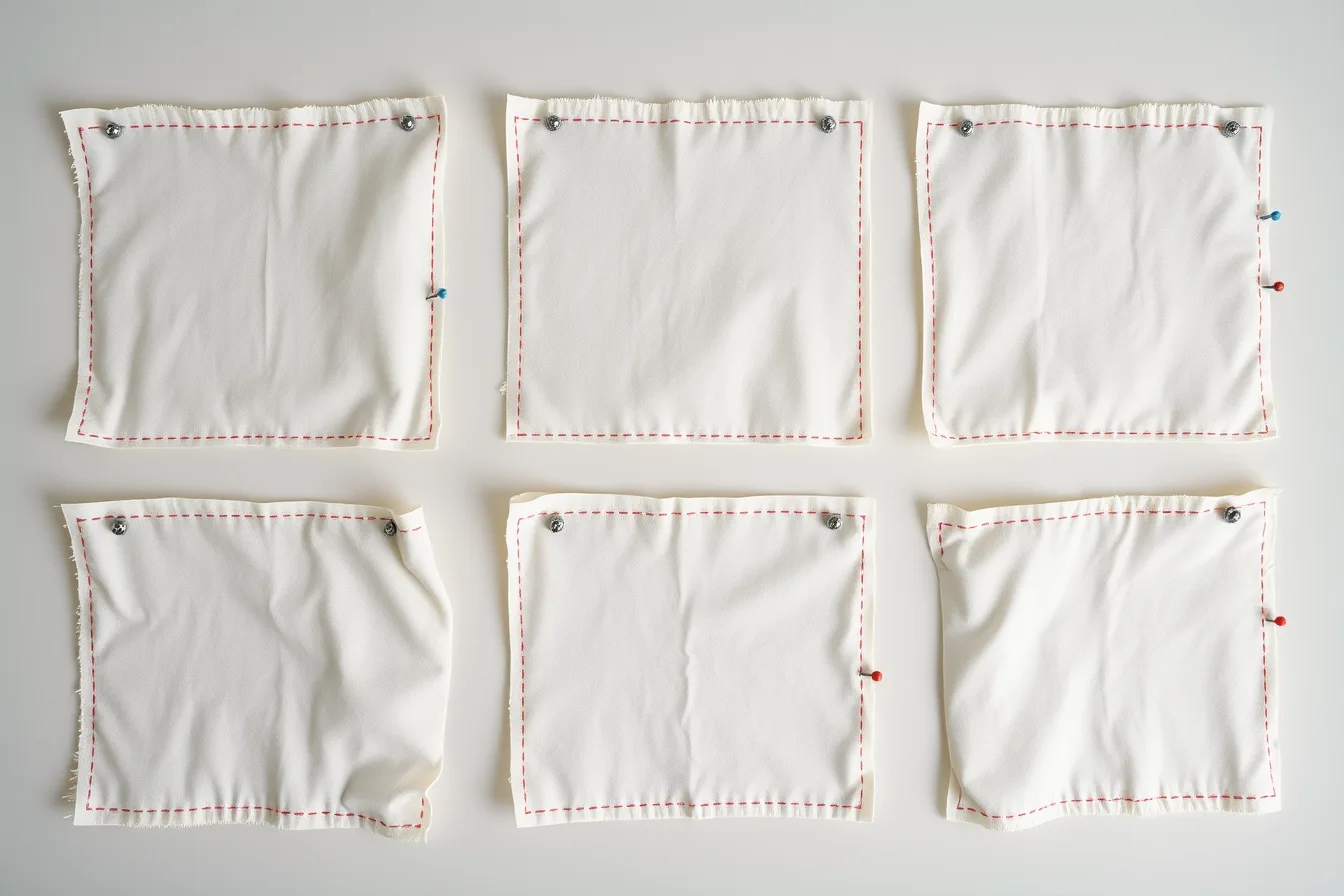
- Cut six identical squares from the same garment or fabric
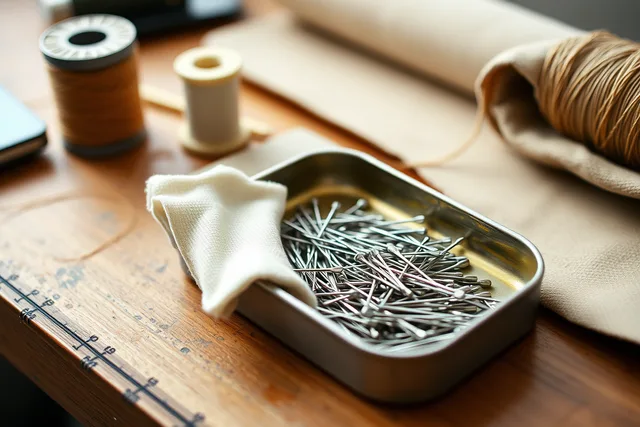
- Mark a four inch reference line on each with pins or a permanent stitch
- Apply the product to three, leave three untreated
- Wash all six together at the temperature you actually use
- Dry them the way you actually dry things
- Measure the reference line again, and compare the treated and untreated sets
That single comparison catches shrinkage, stiffening, color change and residue. It is the test that would have prevented most of the disappointments people write reviews about.
The half-hour fabric test
- Cut six identical squares from one fabric
- Mark a four inch reference line on each
- Treat three, leave three untreated
- Wash all six at your usual temperature
- Dry them the way you usually dry
- Measure the reference line again and compare
What to record
Product, fabric, wash temperature, dry method, measurement before, measurement after, and one sentence on how the fabric feels. Six fields. Keep them with the samples, because the sample squares themselves are the evidence and the numbers alone will not tell you that a treated square went stiff.
Six fields to record
- Product name and batch or lot number
- Fabric type
- Wash temperature
- Dry method
- Measurement before and after
- One sentence on how it feels
Products change formulation without changing packaging, so a test result is dated evidence rather than a permanent fact. Note the date, and note the batch or lot number if the packaging carries one, because that is the only way to tell later whether you tested the same thing you are now holding.
A caution about residue
Some products leave more behind than they claim. Fabric softener is the everyday example. Extension guidance on fabric softener and bluing stains describes the result: blue-gray, greasy stains.
Undiluted softener poured directly on fabric or dryer overuse causes them. Saturate the stain with concentrated detergent and water, launder in hot water, then sponge with rubbing alcohol or a commercial cleaner if it remains.
Anything that coats fiber also affects how a repair thread grips and how a patch adheres. Test on fabric you are willing to lose.
Who is answerable for the claim
When a product does not do what its packaging said, the label name is the starting point, and that name is regulated.
The rule on the name or other identification required on labels requires the name used to be the name under which the person is doing business. It permits a registered word trademark used as a house mark in place of that name. It prohibits other trade names for required identification.
So the required name is not a brand of convenience. It identifies a business that can be looked up, which is more than most product marketing offers.
Your own results belong in the same record as your repairs, for the reasons set out in where documented repair work exists, and the category-level failure modes are described in what actually fails in mending supplies.