Costs
Part of Sweater mending how it works: a step-by-step guide
4 things worth knowing about costing sweater repair
Knitwear repair supplies are cheap and the losses they prevent are not. How to count both, and what pest treatment actually costs in time and risk.
What to take away
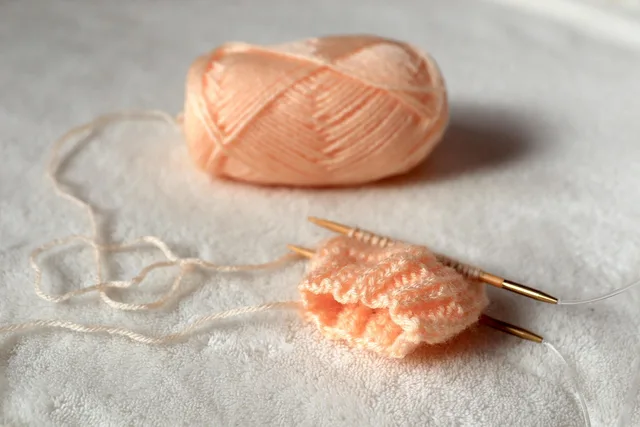
- Yarn and needles.Costing sweater repair starts here. A matching ball of wool yarn typically runs $6 to $15, and one repair uses a few yards of it, so a few cents to about $1 per job. Darning needles cost $3 to $8, a darning mushroom or egg $8 to $20, and both last for decades.
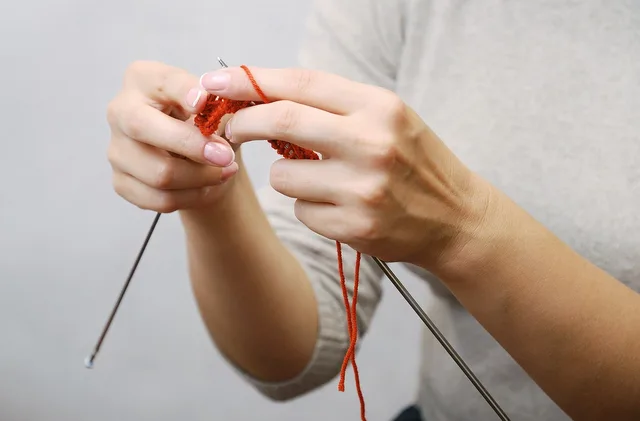
- Time.A small woven darn takes about 20 minutes once you have practice. A Swiss darn on fine-gauge knitwear can take an hour for the same area. Professional knit repair typically costs $25 to $75 per hole in most markets as of 2026, and more for lined pieces.
- Losses avoided.A wool coat, two good sweaters and a scarf lost to moths in one winter cost roughly $300 to $880 to replace. That is the largest number in the calculation, and the one nobody writes down.
- Treatment.Clearing a moth or carpet beetle problem usually costs a weekend plus $8 to $15 for traps, or $200 to $600 for professional work. Lined and trimmed knitwear adds roughly 25% to 50% to a repair bill.
Prices vary by region and move year to year, so treat these as typical ranges rather than quotes.
Three lines that matter
- Time.Knitwear repair is slower per square inch than woven repair, and Swiss darning is slower than woven darning.
- Yarn.Small, and only worth counting if you are buying new for a single job.
- Losses avoided.The garment you did not have to replace, which is the whole point. Price it at what a replacement costs today, not at what you paid.
A new wool coat typically runs $150 to $400. A good wool sweater runs $60 to $200. A wool scarf runs $30 to $80.
Write those down for three repairs before deciding whether repairing sweaters is worth your evenings. The answer usually turns on how much you liked the garment.
Three lines to write down
- Timeknitwear repair slower than woven
- Yarnonly count if buying new
- Losses avoidedthe garment not replaced
- Do this for three repairs first
Treatment is not a cheap default
When a pest problem does appear, the remedies cost time and carry risk. The National Park Service overview of controlling insect pests without pesticides frames the decision the way a household should.
Treatment versus sealed storage
Pest treatment
- Cost
- a weekend
- Risk to garments
- some risk
- Approach
- one-off fix
- First step
- isolate infested item
Clean sealed storage
- Cost
- price of a box
- Risk to garments
- none
- Approach
- prevention first
- First step
- seal everything
Prevention beats cure, and matching the method to the problem is genuinely difficult. Isolate any object suspected of being infested first, so the infestation cannot spread. Every treatment belongs inside an overall integrated pest management approach, not a one-off fix.
The cost consequence is that a treatment episode consumes a weekend and puts garments at risk, whereas clean sealed storage costs the price of a box. Budget for the box.
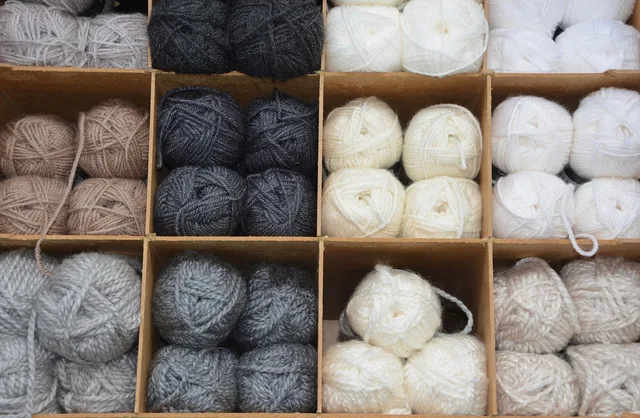
A latching plastic bin runs $8 to $20, and a zippered under-bed storage bag $10 to $25. Dry cleaning one wool sweater runs $12 to $25.
Professional treatment for clothes moths typically runs $200 to $600. Freezing at home means several days at 0°F or below, and heat treatment about 30 minutes in a dryer on high.
Linings and trims raise the price
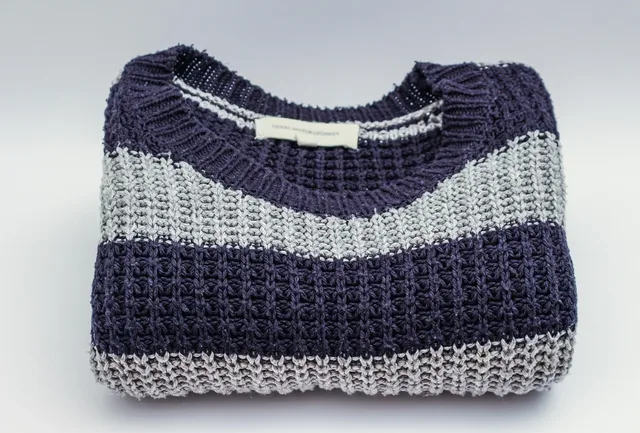
A cardigan with a lined body, a knit coat with facings, or a sweater with a woven trim costs more to repair, whether you do it or pay for it. The repair has to pass through more than one material.
Expect a premium of roughly 25% to 50% over an unlined knit repair, because the lining has to be opened, the hole worked, and the lining re-sewn by hand.
The wool rules on linings, paddings, stiffening, trimmings and facings require the fiber content of those components to be set out separately and distinctly.
A separate lining line on the label means a separate material in the repair. Read it before quoting yourself an evening.
What to spend on
The short buying list is needles $3-$8, mushroom $8-$20, yarn $6-$15, bin $8-$20, bag $10-$25, and the general costing method works once you add the losses line.
A worked example: one Swiss darn on a $60 to $200 sweater. Yarn costs a few cents to about $1. Your time is about an hour. A professional quote runs $25 to $75. Replacement costs $60 to $200, so repair wins on cash unless you value the hour above the gap.