Reviews
Storing a repair archive: fabric, notes and photos kept legible
Garment repair case studies storage: keeping fabric samples, notes and images together, how to label so the mark survives, what cold storage does for photographs.

Archive
Reviews
Garment repair case studies storage: keeping fabric samples, notes and images together, how to label so the mark survives, what cold storage does for photographs.
Guides
Learning from a finished object instead of a tutorial: how to read construction and repair out of a garment you already own, a project that teaches the same skills.
Guides
Building a repair archive that survives: what conditions photographs want, which enclosures are safe, and what to record alongside the images.
Industry
The institutions that publish usable textile repair guidance, what each is good for, and a test for deciding whether a page you found is worth trusting.
Industry
Garment repair case studies done honestly: a National Park Service sample treatment record for a Civil War frock coat, read closely, and how to keep your own.
Guides
A routine for a mending tool kit and stock: what to wipe after every session, what to check monthly and yearly, and what to roll rather than fold.
Costs
A mending tools and supplies cost example for shears: two sharpenings at $10–$20 against one new $50 pair, totalled over ten years with the break-even.
Guides
Repairing and altering vintage clothing: how to measure, grade condition, test fibers and decide which repairs hold. US buyers, practical steps.
Reviews
Sort mending tool purchases into decade, year and consumable buckets, learn supply vocabulary, trace RN labels to makers, and follow a practical buying order.
Industry
What advertising rules require of mending supply listings: fiber content disclosure, how required information is arranged, and performance facts labels never give.
Features
Diagnose frayed edges and worn bar tacks on a wool coat buttonhole, pick needle and twist, rebuild the lips by hand, and know when to rebind.
Features
A practical repair cafe toolkit sharing guide for bilingual menders, with labeled trays, photo labels, intake steps, sewing terms, storage, and restocking.
Features
A province-level guide to Ontario repair cafes, from Toronto and Kitchener textile tables to French and English mending terms volunteers share at intake.
Features
A US sourcing guide to deadstock wool for menders: named online shops, mill stores, by-the-pound scrap options, shipping rules and sweater mending tips.
Reviews
Surfaces wear tools as much as tools wear surfaces. Choosing a cutting base, a pressing surface, and a floor that does not off-gas into your fabric stock.
Reviews
Not a mending tools and supplies reviews page: how needle burrs, dull shears, rusted pins and aged thread show up in your work and how to store tools.
Maintenance
The errors that appear once repair becomes regular work: pressing over chemical residue, unclear labeling of your own stock, and treating volume as practice.
Reviews
Clothing repair studios materials: stock fabric by fiber, weight and structure, keep invoices for unlabeled bulk fabric, and log how materials behave.
Costs
A sewing repair job cost sheet built from five lines: labor, parts, consumables, overhead and risk. How to set a minimum charge, mark up parts and track waste.
Reviews
The tool choices that matter when repair becomes daily work: scissors that spare the wrist, magnification and light for fine work, and the chair bought first.
Guides
The opening purchases for a sewing repair business, in order: records and tagging before tools, tools before stock, and stock before anything measured for sale.
Industry
What changes when you repair clothes for other people: record keeping, origin claims and the difference between your own standards and a customer's.
Features
Eight services a repair workroom can offer using tools it already owns, from swatch matching to reinforcement before failure, and what each one demands.
Guides
Sending clothing to a US mender crosses a border twice, so Canadians should understand duty relief, customs paperwork and their consumer rights.
Features
A clothing repair cafe in Halifax can run as a pop-up, a library event or a community centre day, from about $150 to over $1,200 per event in Canadian dollars.
Guides
French repair vocabulary for Quebec menders, counter phrases, repair groups and workshops, NEQ registration, tax portals and grant project basics, with checklists.
Features
Clothing repair in St. John's means sourcing supplies across a vast province, so menders lean on local craft suppliers, repair groups and smart shipping.
Reviews
Deadstock wool in Vancouver and Toronto: named suppliers, opening hours, minimums and what each carries for mending, plus shipping and pickup.
Guides
Winnipeg sweater repair runs on named repair cafes, textile drop-offs, yarn shops and thrift stores, plus wool methods built for prairie winters.
Guides
Sweater mending in Canada means finding deadstock wool locally, storing it against moths, and knowing what the textile waste data actually shows.
Industry
The unglamorous parts of a repair business: workstation design, intake, pricing standards and advertising rules, and why no list of studios appears here.
Costs
Clothing repair cafe cost Seattle: entry is usually free, most items run a $5 to $15 suggested donation, and nothing is enforced at these volunteer-run events.
Guides
Three ways to fix a hole in a linen shirt without a patch, using a woven darn, a reweave, and a ladder stitch, with thread sizes sold in the US.
Reviews
What to do with mending stock after mildew, damp or an infestation: what to discard, what can be saved, and how to stabilize humidity in a small enclosure.
Guides
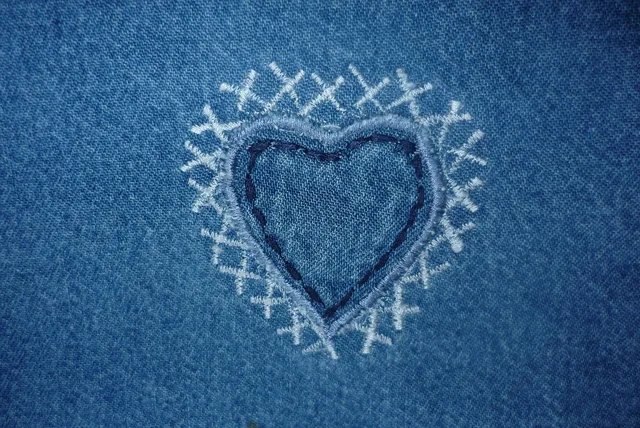
Iron-on patches vs sew-on patches for denim: heat-bonded adhesive wins on speed, stitching wins on lifespan, and the best choice depends on where the rip sits.
Maintenance
Mend down jacket with tenacious tape and you fix shell tears, not baffle blowouts. Here is the tape worth buying first and the repair that never pays back.
Costs
Illustrative CAD rates per inch for invisible mending, typical shop minimums, batch discounts, and the Quebec label and fabric details that shift a quote.
Guides
Repair torn buttonhole wool coat damage with a hand stitch that rebuilds the bar and lips. Here is the order of work, thread choices in USD, and the test for done.
Costs
Sweater reweaving cost in Toronto runs about $25 to $120 per inch, with gauge, shop minimums and HST shaping the bill. Here is what to ask before you pay.
Guides
Learning to mend without repeating the same mistake: how to build a practice loop that catches errors, single-variable exercises, washing every sample.
Reviews
Adhesive patches and fusible web fail in predictable ways, and so do the threads and kits sold beside them, which is what a mender needs to know.
Guides
Four common visible mending mistakes, why each one happens, and the simple check that catches every weak spot before the mend fails in the wash.
Industry
What a good mending class teaches you not to do: how to tell teaching from demonstration when choosing a repair class, the errors a good syllabus prevents.
Maintenance
The recurring failure patterns in visible repair, how to work out which one you hit, and the one category of garment where a repair can be a safety problem.
Guides
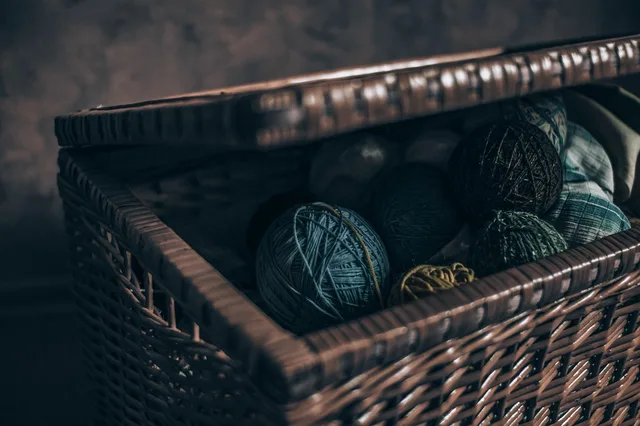
Sweater mending setup: storing and repairing knitwear in a small home, what clothes moths actually eat, why cleaning matters more than repellents.
Costs
Knitwear repair supplies are cheap and the losses they prevent are not. How to count both, and what pest treatment actually costs in time and risk.
Reviews
A short list for knitwear repair: blunt yarn needles, a rounded support, and yarn matched by fineness, with a note on what wool label numbers actually mean.
Industry
Sweater mending makers: how recycled wool is described on labels under FTC rules, why it behaves differently, and how to test unlabeled knits.
Reviews
Work surfaces for knitwear repair: why knits need a flat unstretched support rather than a hoop, what to put under a sweater while you work, and why the floor.